Crouch Hill Flats: Bulky Item Disposal Guide
If you live in a flat, bulky item disposal can feel harder than it should. A sofa does not magically become lighter because it has reached the hallway, and a mattress still has to get downstairs somehow. This guide to Crouch Hill Flats: Bulky Item Disposal explains the most practical ways to remove large household items safely, efficiently, and with less disruption to neighbours.
Whether you are clearing one awkward item or dealing with several pieces at once, the goal is the same: choose a disposal method that fits the building, the item, and your schedule. Below, you will find a step-by-step process, useful comparisons, compliance guidance, and realistic tips for making the whole job simpler. If you want broader support beyond one-off items, you may also find the service pages for flat clearance and furniture disposal helpful.
For readers planning a full clear-out, the practical detail in this guide will help you decide whether to use council collections, book a private removal team, or combine several items into one visit. And yes, getting a wardrobe down a narrow stairwell is still as awkward as it sounds.
Table of Contents
- Why Crouch Hill Flats: Bulky Item Disposal Guide Matters
- How Crouch Hill Flats: Bulky Item Disposal Guide Works
- Key Benefits and Practical Advantages
- Who This Is For and When It Makes Sense
- Step-by-Step Guidance
- Expert Tips for Better Results
- Common Mistakes to Avoid
- Tools, Resources and Recommendations
- Law, Compliance, Standards, or Best Practice
- Options, Methods, or Comparison Table
- Case Study or Real-World Example
- Practical Checklist
- Conclusion
- Frequently Asked Questions
Why Crouch Hill Flats: Bulky Item Disposal Guide Matters
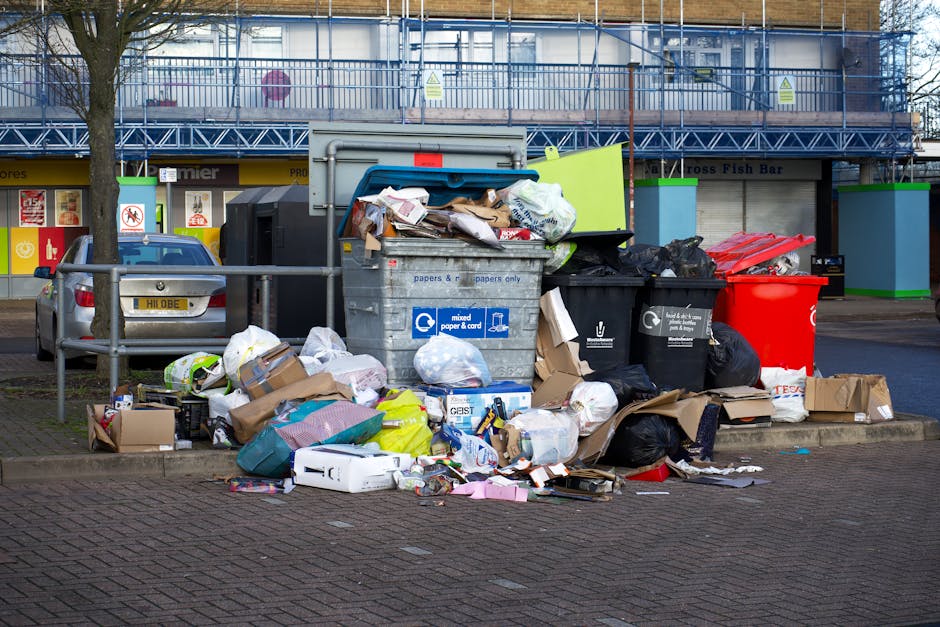
Bulky waste is different from ordinary household rubbish. A broken bed frame, old sofa, wardrobe, or large appliance is difficult to carry, difficult to store, and often impossible to leave out with standard waste collections. In a flat, those challenges multiply because of shared stairs, limited access, lift restrictions, parking pressure, and the need to keep communal areas clear.
That is why a clear bulky item disposal plan matters. It reduces the chance of damage to walls, bannisters, doors, and flooring. It also helps you avoid frustrating delays where items sit in the hallway for days because nobody has decided how to remove them. In a busy block, that quickly becomes a problem for everyone.
Another reason this guide matters is that bulky items are often mixed with other clearance needs. You may be replacing furniture, preparing for a move, handling a tenancy end, or tidying after a renovation. In those moments, a little planning saves a lot of time. If the job includes more than one room, a broader service such as home clearance may be more efficient than organising several separate trips.
For shared residential buildings, good disposal decisions also support neighbour relations. Nobody wants a mattress balanced outside the front door for three days because the lift was not measured properly or the booking was left too late. A smoother process is simply better etiquette.
How Crouch Hill Flats: Bulky Item Disposal Guide Works
The basic process is straightforward: identify the item, check access, choose the disposal route, prepare the item, and arrange collection or transport. The detail sits in the middle. Flats often need a bit more organisation because access routes are tighter and there may be building rules around loading, timings, and lift use.
In practical terms, bulky item disposal usually falls into one of three routes:
- Council or local authority collection for limited items, where available and suitable.
- Private bulky waste removal for faster turnaround, heavier loads, or awkward access.
- Reuse, resale, or donation if the item is still in usable condition and accepted by the receiving organisation.
For many flat residents, the deciding factors are speed, convenience, and the physical reality of moving large objects through shared spaces. A single heavy wardrobe can be more complicated than a whole bagged clear-out. That is why some customers choose a targeted furniture-focused service like furniture clearance rather than a general rubbish collection.
Professional collection teams usually assess access, load size, item type, and disposal route before the job begins. That helps keep the collection efficient and reduces the risk of avoidable delays. If a mattress needs to be turned sideways, or a fridge needs special handling, good planning matters from the first conversation.
Key Benefits and Practical Advantages
Handled properly, bulky item disposal does more than remove clutter. It restores usable space, reduces trip hazards, and makes a flat feel calmer almost immediately. That matters whether you are getting ready for guests, moving out, or simply reclaiming the room that the spare sofa has been occupying for far too long.
Here are the main advantages:
- Less physical strain because you are not trying to drag heavy items down stairwells alone.
- Lower risk of damage to common areas, door frames, lifts, and flooring.
- Cleaner shared spaces for residents and visitors.
- Better time management when items are removed in one organised visit.
- More responsible disposal when items are sorted for reuse, recycling, or proper waste processing.
There is also a less obvious benefit: decision fatigue disappears. Once you know whether an item is being donated, dismantled, or collected as waste, you stop revisiting the same choice every evening after work. That sounds small, but it is often what makes a flat project feel manageable.
If sustainability is part of your decision-making, look for a provider that explains its disposal and recycling approach clearly. The recycling and sustainability page is a useful reference point for how responsible disposal can be handled in practice.
Who This Is For and When It Makes Sense
This guide is for anyone living in or managing a flat who needs to dispose of large items without turning the building into a staging area. That includes tenants, landlords, leaseholders, property managers, housing coordinators, and family members helping with a move or bereavement clear-out.
It makes particular sense when you are dealing with:
- a sofa, armchair, bed base, or mattress
- wardrobes, cabinets, shelving, or large tables
- white goods such as fridges, freezers, or washing machines
- multiple items left after a tenancy ends
- bulky pieces from a refurbishment or redecorating project
- items that cannot be safely lifted without help
It is also useful when access is awkward. Flats with narrow staircases, limited parking, or no direct street access often need a more considered approach. In those cases, trying to "just get it done" can create more work than it solves. If the disposal forms part of a bigger move, a full flat clearance can be a more efficient route.
For businesses operating from residential-style premises or mixed-use units, the same logic applies. If waste volumes are larger or ongoing, a dedicated business waste removal service may be the better fit.
Step-by-Step Guidance
A solid process keeps bulky disposal simple. The following steps work well for most flat-based collections.
- Identify every item clearly. Write down what needs to go, including approximate size and material. A "big chair" is less useful than "two-seater sofa bed with metal frame".
- Check the access route. Measure doorways, stair widths, lift dimensions, and any sharp corners. If you cannot move it without lifting or tilting, say so early.
- Separate reusable items from waste. Anything in good condition may be suitable for donation or resale. Damaged, broken, or heavily worn items are usually disposal-only.
- Look at building rules. Some blocks have restrictions on moving items at certain times, using lifts for heavy goods, or leaving anything in common areas.
- Choose the right disposal method. Compare local collections, private clearance, and donation options based on speed, item condition, and convenience.
- Prepare the item for collection. Remove loose contents, detach cushions, tape up sharp edges where needed, and dismantle only if it helps safe handling.
- Confirm what is included. Make sure the provider knows exactly which items are being removed, where they are located, and whether there are parking or access concerns.
- Clear the route before collection day. Move smaller obstacles, protect floors if needed, and keep hallways open.
- Check the final result. Once the item is gone, inspect the area for screws, broken fittings, packaging, or damage.
Where several pieces of furniture are involved, it can be helpful to book a dedicated furniture disposal service so the provider can plan the right vehicle, manpower, and loading method from the outset.
Expert Tips for Better Results
Good bulky disposal is mostly about removing friction before it appears. A few small decisions at the start can save a surprising amount of time later.
1. Measure before you move anything. Many collection issues come from assuming a sofa will fit through a stairwell because it looked fine in the room. Measuring the widest points helps prevent last-minute surprises.
2. Empty drawers, shelves, and hidden compartments. It sounds obvious, but people forget. A wardrobe full of shoes or a cabinet full of books becomes much harder to handle.
3. Keep screws and fittings in one labelled bag. If you are dismantling a bed or table, one missing bolt can turn a neat flat-pack reassembly into an annoying treasure hunt.
4. Photograph awkward items. A quick picture helps the collection team judge size and access more accurately. It can also support a more accurate quote.
5. Ask about recycling paths. Items like wood, metal, and some appliances may be separated for recycling rather than treated as mixed waste. That is often the better environmental outcome.
6. Plan around neighbours. If your route crosses a shared landing or tight entrance, a quieter time of day may be less stressful for everyone.
In our experience, the best results come from being slightly overprepared rather than slightly optimistic. That is the polite way of saying "measure twice, move once".
Common Mistakes to Avoid
A bulky item collection can go wrong in predictable ways. The good news is that most problems are avoidable.
- Leaving booking too late. If you need the item gone before a move-out date or refurbishment, plan ahead.
- Underestimating the weight. Flat-pack furniture is rarely as light as it looks once the frame, glass, or metal parts are added.
- Forgetting access restrictions. A provider cannot remove an item efficiently if the lift is too small or the parking space is unavailable.
- Mixing restricted items with ordinary waste. Some waste streams need separate handling, especially appliances or anything with electrical components.
- Assuming everything can be left in communal areas. Shared spaces are not a storage solution, and buildings often have rules about this for good reason.
- Not checking condition before donation. A charity or reuse outlet may decline items that are heavily stained, broken, or incomplete.
Another common mistake is trying to save a little money by doing too much yourself. If a large item needs two people, proper lifting equipment, or careful dismantling, the "cheap" route can become the expensive one very quickly. Nobody enjoys a damaged wall or a pulled back.
Tools, Resources and Recommendations
You do not need a warehouse full of equipment to manage bulky disposal well, but a few practical tools help:
- Tape measure for doors, hallways, and lift access
- Protective gloves for sharp edges, splinters, or dust
- Dolly or sack truck if items can be wheeled safely
- Blankets or floor protection to avoid scuffs in tight hallways
- Basic screwdriver set for dismantling furniture where appropriate
- Strong bags or boxes for loose contents, fittings, and smaller components
For service planning and reassurance, it is worth reviewing a provider's trust pages before you book. The health and safety policy and insurance and safety information can help you understand how care is taken on site. If pricing is still being compared, the pricing and quotes page is another sensible stop.
When you are comparing providers, ask how they handle sorting, lifting, and recycling. A clear answer usually tells you a lot about their process. A vague answer usually tells you enough as well.
Law, Compliance, Standards, or Best Practice
Bulky item disposal in the UK should be handled responsibly and in line with accepted waste duty-of-care practices. In plain English, that means you should know who is taking the item, where it is going, and whether it is being handled by an appropriate operator. If you use a third party, it is sensible to check they are operating professionally and disposing of waste correctly.
For flat residents, there are also practical compliance points to keep in mind:
- Do not block fire exits or communal access routes.
- Do not leave items in shared areas unless explicitly permitted.
- Take care with manual handling. Large items can injure people if lifted incorrectly.
- Separate electrical items where needed. Some appliances require different treatment from standard furniture.
- Use licensed or reputable waste handlers. This reduces the risk of fly-tipping or poor disposal.
Where regulations or building rules are unclear, check before collection day. The safest approach is usually the simplest one: keep access clear, avoid unsafe lifting, and choose a provider with a transparent process. If you are reviewing broader responsibilities for domestic or commercial clients, a company's terms and conditions and privacy policy also help set expectations around service scope and communication.
Best practice is not about being overcautious. It is about removing the avoidable risks so the collection can proceed without drama.
Options, Methods, or Comparison Table
Choosing the right route depends on how quickly you need the item removed, how many items you have, and how awkward the access is. The table below gives a practical comparison.
| Method | Best for | Advantages | Limitations |
|---|---|---|---|
| Council bulky waste collection | Single or small numbers of items | Can be suitable for simple disposals and lower urgency | Availability, lead times, and item limits may apply |
| Private bulky item removal | Fast turnaround or awkward items | Flexible, convenient, often ideal for flats | Usually more expensive than basic public collection |
| Reuse or donation | Items in good condition | Can extend item life and reduce waste | Acceptance depends on quality, safety, and demand |
| DIY transport to a waste site | People with suitable vehicle and help | Useful for some straightforward loads | Time-consuming and physically demanding |
For many flat-based jobs, private removal is the most practical choice because it solves the access problem as well as the disposal problem. If you are already arranging other heavy household items, a broader house clearance style approach can sometimes be more efficient than piecing the job together one object at a time.
Case Study or Real-World Example
Consider a typical flat move-out scenario: a tenant needs to clear a sofa bed, a mattress, a dining chair set, and a tall wardrobe from a third-floor flat with a narrow stairwell and no lift. Each item is individually manageable in theory, but together they create a small logistics puzzle.
The most sensible approach is usually to start with a quick assessment. The wardrobe may need dismantling before collection, the mattress may be wrapped to keep the route clean, and the sofa bed may need two people to angle it around the corner at the foot of the stairs. The collection team also needs to know if parking is possible near the entrance and whether there are time restrictions in the block.
In this kind of case, the advantages of a planned collection become very obvious. The tenant avoids multiple trips, the building stays tidier, and the items are removed in one visit rather than spread across a week. If the flat contains more than just bulky pieces, the job may fit naturally into a wider clearance and removal service or a domestic clearance route.
The main lesson is simple: the more awkward the access, the more valuable good planning becomes. That is especially true in flats, where one poorly timed move can inconvenience several people at once.
Practical Checklist
Use this checklist before booking or attempting bulky item disposal from a flat:
- List every item that needs to go
- Check whether anything can be reused, donated, or resold
- Measure doors, stairs, lifts, and corners
- Confirm any building rules or access restrictions
- Photograph awkward or unusually large items
- Decide whether dismantling would help safe removal
- Remove contents from drawers, cabinets, and pockets
- Protect floors, walls, or shared areas where needed
- Arrange parking or loading access if required
- Choose the most suitable disposal method
- Check what the provider will and will not take
- Keep the route clear on collection day
- Inspect the area after removal for screws, marks, or debris
Expert summary: The best bulky item disposal in flats is usually the one that is planned, measured, and matched to the building. Speed matters, but safe access and clear communication matter more.
Conclusion
Bulky item disposal from flats does not need to be stressful, but it does need to be organised. Once you understand the item type, the access route, and the disposal options available, the job becomes much more manageable. The difference between a smooth collection and a frustrating one is often just a few practical checks carried out early.
For residents in and around Crouch Hill flats, the smartest approach is usually the one that keeps the building clear, the lifting safe, and the disposal route transparent. If you are handling a single awkward item, a targeted collection may be enough. If you are clearing several rooms, a broader clearance service can save time and effort. Either way, good planning pays off.
Get a free quote today and see how much you can save.
If you would like to speak with a specialist team, you can also visit the contact page to discuss your collection needs and access details.
Frequently Asked Questions
What counts as a bulky item in a flat?
Typically, it is anything too large, heavy, or awkward to leave with normal household waste. Sofas, mattresses, wardrobes, tables, and large appliances are common examples.
Can I leave bulky items in the hallway until collection day?
Usually not unless building rules specifically allow it. Shared hallways should stay clear for safety and access, especially in communal buildings.
Is it better to dismantle furniture before disposal?
Sometimes. Dismantling can make removal easier, but only if it is safe and actually helps the collection. If a piece is fragile or awkward, leaving it intact may be better.
What should I do with a sofa or chair in good condition?
Check whether it can be donated, reused, or sold. If the item is clean, safe, and structurally sound, reuse is often worth exploring before disposal.
How do I know if a provider is suitable for flat access?
Ask whether they handle stair access, lift restrictions, parking limitations, and narrow corridors regularly. A good provider should be comfortable discussing access before the booking.
Can I dispose of white goods with ordinary bulky waste?
Sometimes yes, but appliances often need separate handling because of electrical parts, refrigerants, or other components. Always confirm this in advance.
What if I only have one item to remove?
That is still worth planning properly. One bulky item can be just as awkward as a larger load if access is tight or the item is heavy.
How far in advance should I book bulky item removal?
As early as you can, especially if you have a move-out date, a renovation deadline, or a building that restricts loading times.
Will the team move items from inside the flat?
That depends on the service. Many providers do, but you should confirm it clearly so everyone understands what is included before collection day.
What happens if the item does not fit through the doorway?
It may need dismantling or a different removal method. This is why measurements and photos matter before the team arrives.
Are there any safety concerns with bulky disposal?
Yes. Heavy lifting, sharp edges, glass, and tight staircases all create risk. Safe handling and the right equipment are important.
Can a full flat clearance be better than single-item disposal?
Yes, especially if you have several bulky items and mixed household contents. A wider service can be more efficient and often simplifies the whole process.
How do I get a quote for bulky item removal?
Provide item details, photos if possible, access information, and your preferred timing. Clear information usually leads to a more accurate quote.
For additional background on service standards and company information, you may also find the about us and insurance and safety pages useful.