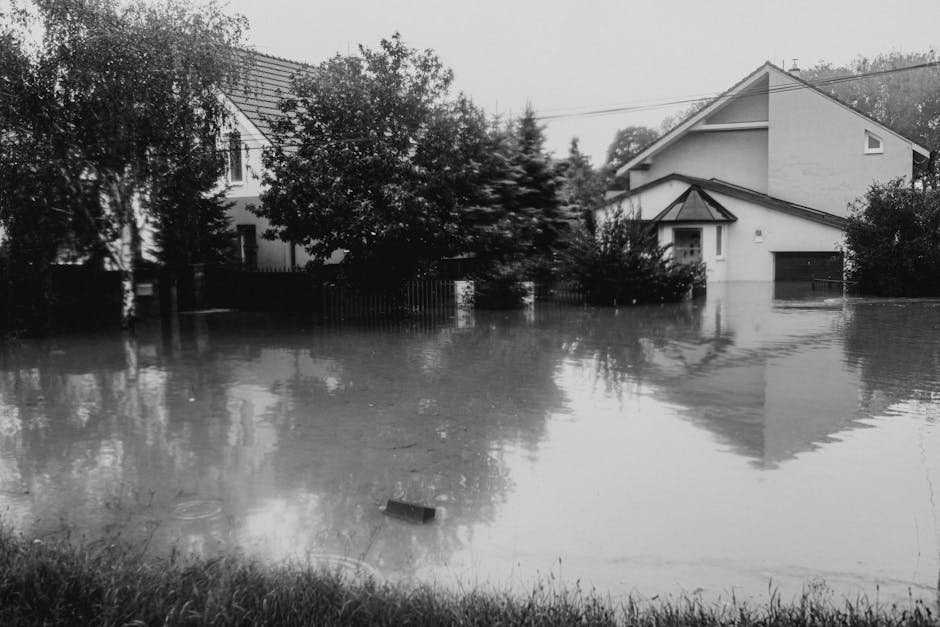
Emergency Clearance for Flooded Basements in N8: Fast, Safe, Practical Help When Water Hits
If you are dealing with a flooded basement, the mess can feel overwhelming very quickly. One minute it is a damp patch and a strange smell; the next, you are staring at soaked boxes, damaged furniture, and water creeping into places it should never be. Emergency Clearance for Flooded Basements in N8 is about more than just hauling things out. It is about acting fast, reducing damage, keeping people safe, and making the space usable again without turning a bad day into a worse one.
In a place like N8, where homes can include lower-ground storage, converted basements, and older drainage systems, speed matters. So does judgement. This guide walks you through what emergency basement clearance actually involves, how the process works, what to do first, what to avoid, and how to make sensible decisions under pressure. Truth be told, when water has already got in, the best results usually come from calm, well-sequenced action rather than panic.
One quick note: not every flooded basement is the same. Some jobs are light clearance after a short-lived leak. Others involve heavy waste, ruined furniture, fallen shelving, or contaminated items that should be handled carefully. We will cover all of that here.
Contents
- Why Emergency Clearance for Flooded Basements in N8 Matters
- How Emergency Clearance for Flooded Basements in N8 Works
- Key Benefits and Practical Advantages
- Who This Is For and When It Makes Sense
- Step-by-Step Guidance
- Expert Tips for Better Results
- Common Mistakes to Avoid
- Tools, Resources and Recommendations
- Law, Compliance, Standards, or Best Practice
- Options, Methods, or Comparison Table
- Case Study or Real-World Example
- Practical Checklist
- Conclusion
- Frequently Asked Questions
Why Emergency Clearance for Flooded Basements in N8 Matters
A flooded basement is not just an inconvenience. Water damage tends to spread in quiet ways. Cardboard softens first, then labels peel off, then fabrics take on that musty, slightly sour smell that tells you mould is probably not far behind. Timber swells, metal rusts, and electrical items can become unsafe almost immediately. In practical terms, the longer damaged contents stay in place, the harder the recovery becomes.
Emergency clearance matters because it helps remove the source of ongoing problems. If you leave contaminated waterlogged items in a basement, they can block access, trap moisture, and slow drying. That can make the room colder, smellier, and much more difficult to restore. You also have the safety issue to think about. Wet floors, hidden broken glass, sharp metal edges, and unstable stacks of soaked belongings are not something to leave until tomorrow if you can help it.
For many homes in N8, basements are used for storage rather than daily living. That makes them easy to ignore until an incident happens. Then suddenly you are dealing with holiday photos, seasonal clothing, spare appliances, archived paperwork, and maybe a sofa you thought would be fine down there. It is a bit of a cruel surprise, really. The clearance process helps you separate what can be saved, what should be disposed of, and what must be handled carefully because of contamination or structural concerns.
Expert summary: Fast basement clearance is not about stripping everything out indiscriminately. It is about safe sorting, careful removal, and creating the best possible conditions for drying, inspection, and recovery.
In many cases, a prompt response can also reduce follow-on costs. That does not mean the damage disappears. It means you are less likely to face an extended chain of problems: lingering odour, mould growth, pest attraction, unusable storage space, and repeated handling of heavy, wet items. Nobody wants to move the same ruined box three times. Nobody.
How Emergency Clearance for Flooded Basements in N8 Works
Emergency basement clearance usually follows a simple but disciplined process. The exact order can vary depending on how deep the water is, whether there is sewage contamination, and how safe the space is to enter, but the basic approach stays the same.
1. Assess safety before anything moves
The first question is not "what can we save?" It is "is it safe to go in?" If there is any chance of electrical danger, unstable shelving, exposed wiring, or heavily contaminated water, the space needs to be treated cautiously. A good clearance team will look at access, flooring, ventilation, and the condition of items before starting.
2. Separate salvageable items from waste
Some contents may be recoverable if they are dry at the edges or stored high up. Others, especially soaked cardboard, upholstered furniture, carpet underlay, or badly contaminated materials, may need to go straight into disposal. This sorting stage is where experience really matters. The aim is to avoid throwing away more than necessary, but also to avoid pretending that everything can be rescued. That would be unrealistic.
3. Remove waste in a controlled sequence
Once the items are triaged, removal begins. Heavier items are usually taken out first to clear access. Loose debris, broken storage materials, and wet packaging come next. If the basement contains mixed waste, a sensible team will keep categories separate where possible so disposal can be handled more efficiently.
4. Clear the access route and working space
Basements often have awkward staircases, low ceilings, and narrow turns. That matters more than people expect. A good emergency clearance is planned around safe lifting and clean movement, not just speed. If you have ever tried carrying a saturated mattress up a tight stairwell, you already know the problem. It is not elegant.
5. Support the drying and recovery stage
Clearance is often only part of the job. Once waste and damaged items are removed, the room can be assessed for deeper drying, cleaning, and any repairs needed. The emptying process opens the door to real recovery, which is the bit people usually want most.
If you already know the basement contains a mixture of damaged household items and general waste, you may also find it useful to look at waste removal and home clearance options, especially when the job has spread beyond simple rubbish collection.
Key Benefits and Practical Advantages
Emergency clearance does more than make the basement look better. The practical gains are often immediate, and a few of them are surprisingly important once you are in the middle of the mess.
- Faster drying: removing damaged contents opens up air flow and helps dehumidifiers work properly.
- Lower mould risk: damp materials left in place can accelerate mould growth, which is bad news for both the room and your lungs.
- Safer access: you are less likely to trip, slip, or injure yourself when the basement is cleared properly.
- Better salvage decisions: clear access makes it easier to separate items that can still be kept.
- Less emotional stress: when the space is full of ruinous clutter, the whole situation feels bigger than it is. Clearing it creates breathing room.
- More efficient repairs: plumbers, surveyors, decorators, and drying specialists can only work properly when they can actually get in.
There is also a less obvious benefit: clarity. Floods are chaotic. A structured clearance gives you a point of control, and that can make the rest of the recovery much easier to handle. You are no longer staring at a soggy mountain wondering where to begin. You have a plan. That changes everything, honestly.
For households with older furniture or mixed stored belongings, it can be helpful to plan disposal and replacement together. If some items are beyond saving, a service such as furniture disposal can be part of the wider recovery process once the room is safe to work in.
Who This Is For and When It Makes Sense
This type of emergency clearance is not only for major flooding events. It makes sense in several everyday situations, some of which begin as small problems and quietly grow.
Homeowners with basement storage
If your basement holds seasonal items, spare furniture, archived paperwork, or old household bits and pieces, even shallow flooding can create a lot of damage. Clearance becomes especially useful when access is blocked by ruined items or when you need to check whether anything remains worth keeping.
Landlords and managing agents
A flooded basement in a rental property can affect more than one person. Tenants may need reassurance, contractors may need space, and delays can complicate repairs. A quick, organised clearance helps bring the property back under control sooner.
Businesses with lower-ground storage
Some small businesses store stock, packaging, archived files, or equipment below ground. If water gets in, the issue is not just damage. It is continuity. For those situations, looking at business waste removal can help when the cleanup involves commercial waste streams as well as damaged contents.
People dealing with damp, not just standing water
Sometimes there is no dramatic flood. Just persistent damp, small leaks, or a hidden issue behind a wall. Even then, items can become unsafe or unusable over time. Emergency clearance may still be the right answer if the room has turned musty, cluttered, or difficult to inspect.
Anyone facing a one-off crisis
You do not need to wait until the situation becomes a health hazard. If you cannot safely move the items yourself, or if the volume is too large for a normal skip-and-sort weekend, the job is big enough. That is the honest answer.
Step-by-Step Guidance
If you are trying to decide what to do first, the following order usually works well. It is not fancy, but it is practical.
- Stop the source of water if you can do so safely. If there is a visible leak or a controllable problem, address it. If there is any electrical risk, step back and get help.
- Do not walk into standing water blindly. Check for hazards before entering. Wet basements can hide broken items, unstable surfaces, or contaminated water.
- Take a quick inventory. Photograph affected areas and items if you may need records for insurance or maintenance discussions later.
- Separate obvious waste from possible salvage. Cardboard, waterlogged textiles, and saturated paper goods usually go first. Keep items of value aside if they may be recoverable.
- Clear the biggest obstructions. If access is blocked by furniture or bulk waste, remove those items early so the rest of the room can be dealt with safely.
- Use proper lifting and bagging methods. Wet items are heavier than they look. They also leak, which is delightful in exactly none of the ways one might hope.
- Ventilate and dry the space. Once clearance is underway, drying should begin as soon as conditions allow.
- Arrange disposal for damaged items. Make sure waste is taken away responsibly and in line with the type of material involved.
- Inspect again after removal. When the clutter is gone, hidden damage becomes much easier to spot.
If the basement also contains loose items from recent renovation work, it can help to coordinate with builders waste clearance so rubble, timber offcuts, and damaged materials are handled alongside household waste in a tidy, sensible way.
Expert Tips for Better Results
A few small decisions can make a big difference in flood recovery. These are the kinds of details people often miss in the first rush.
Act before the smell settles in
If you can smell that damp, earthy basement odour, mould is usually already getting comfortable. The earlier the clearance starts, the better the odds of keeping the room recoverable.
Do not over-sort on the spot
It is tempting to open every box and decide the fate of every little thing. In practice, that can waste time and expose you to more dust and contamination. Group items first, then sort carefully.
Keep electronics out of the "maybe" pile
Flooded electrical items should be treated with caution. Even if they look fine, internal damage can make them unsafe. It is usually better to err on the side of caution here.
Protect the staircase
Basement stairs often take the biggest beating during clearance. Use coverings where needed, especially in older properties where the steps are already worn. A knock to the paintwork is annoying; a slip is a lot worse.
Plan the exit route before lifting
It sounds basic, but in a cramped basement it saves time and bruises. Know where each item is going before you move it. That way you are not swivelling around with a waterlogged cabinet while someone else is trying to squeeze past with a bag of broken shelving.
Work in daylight where possible
Flooded basements look different at 7am than they do late at night under one dim bulb. Better light helps you spot hazards, stains, and structural issues more clearly.
Common Mistakes to Avoid
When people are stressed, they often make the same avoidable mistakes. Nothing dramatic. Just small decisions that create bigger headaches later.
- Waiting too long: damp content left in place can worsen quickly.
- Moving unsafe items alone: wet furniture and debris are heavier than expected.
- Ignoring contamination: if the water came from a foul source, different handling is needed.
- Keeping everything "just in case": this usually clogs the room and delays drying.
- Forgetting access and ventilation: without those, recovery slows down.
- Mixing clean and contaminated waste: this can complicate disposal.
- Trying to save soaked cardboard: most of the time, it is a lost cause.
A small but common mistake is assuming that if something is only slightly damp, it is harmless. Sometimes it is. Sometimes it is the item that quietly carries the smell of the whole room for weeks. You do not always know straight away. That is why a careful sweep matters.
Tools, Resources and Recommendations
You do not need a warehouse full of equipment to begin. Still, the right tools make the job faster and safer.
- Heavy-duty gloves for handling wet or sharp materials.
- Sturdy bags and sacks for loose contaminated waste.
- Flashlight or head torch for dim basement corners.
- Masks if there is dust, mould, or a strong stale smell.
- Dehumidifier and fans to support drying after clearance.
- Buckets, mops, and absorbent materials for minor remaining water.
- Basic labels or markers to separate keep, dispose, and inspect piles.
For readers comparing broader property clearance support, house clearance and flat clearance can be relevant when the basement flood has affected more than one part of the home or when furniture and stored contents need to be taken away together.
If you are the type who likes to line things up properly before making a decision, it can also help to review pricing and quotes so you understand what information is usually needed before a job can be assessed clearly.
Law, Compliance, Standards, or Best Practice
Flooded basement clearance in the UK should be handled with care, especially where waste may include contaminated materials, damaged electrical items, or bulky household goods. While every case is different, there are some general best-practice points worth keeping in mind.
First, safety comes before speed. That includes electrical isolation where necessary, avoiding entry into obviously hazardous water, and recognising when a basement needs professional assessment rather than a quick tidy-up. If there is structural concern, odour from foul water, or evidence of mould growth, it is sensible to slow down and assess properly.
Second, waste should be handled responsibly. Mixed waste, contaminated soft furnishings, broken furniture, and building debris may need different disposal approaches. A good clearance process keeps items separate where practical and avoids simply dumping everything together. That is better for safety, for recycling, and frankly for peace of mind.
Third, if any records, paperwork, or business documents are affected, care should be taken with confidentiality and data protection. Wet files are often unreadable anyway, but they should still be sorted thoughtfully rather than tossed casually into general waste.
If you want reassurance about standards around working practices, it can be worth checking a provider's published approach to health and safety, insurance and safety, and recycling and sustainability. Those pages do not fix a flooded basement, of course, but they do tell you a lot about how a business thinks.
For households and landlords alike, the big principle is simple: do not create extra risk while trying to solve the original problem. Sounds obvious. In practice, it is where people trip up.
Options, Methods, or Comparison Table
Different situations call for different approaches. The right method depends on the amount of water, the type of items affected, and how quickly the room needs to be made safe again.
| Approach | Best For | Strengths | Limitations |
|---|---|---|---|
| DIY clearance | Very small, clean incidents with light contents | Low upfront cost, immediate start | Slow, physically demanding, higher safety risk, easy to miss hidden damage |
| Partial professional clearance | Moderate flooding with some salvageable items | Faster sorting, safer handling, less disruption | May still need coordination with drying or repair work |
| Full emergency clearance | Major flooding, contaminated water, blocked access, heavy waste | Fastest route to a safe, empty space | More intensive, requires careful planning and disposal |
As a rule of thumb, if the basement contains bulky furniture, mixed waste, or anything you would not happily carry out yourself in wet conditions, a more structured clearance is usually the better choice. If the water reached electrical equipment, insulation, or materials that smell strongly contaminated, caution moves to the front of the queue.
Case Study or Real-World Example
Here is a realistic example. A homeowner in N8 discovers that a basement used for storage has taken on water after a heavy night of rain. Nothing theatrical, just enough to soak through cardboard boxes and leave furniture legs sitting in shallow water. By morning, the room smells stale, and a couple of shelves have started to lean because the lower items have softened and shifted.
The first useful move is to stop adding pressure to the room. No more random lifting. No more "let's just see what's under that pile." The damaged cardboard is removed first because it is already collapsing. A chest of drawers that can no longer be saved is taken out next, followed by broken storage tubs, a rug, and a few small electrical items that have clearly been affected.
Once the access route is clear, the room can be aired out properly. That is when the important details show up: a patch of damp behind the unit, some flaking plaster near the skirting, and a corner where moisture has pooled under an old mat. Without clearance, those issues would have stayed hidden. With clearance, they can be dealt with.
The main lesson? A flooded basement recovery is rarely about one big dramatic decision. It is usually a chain of small, sensible ones made quickly and in the right order. That is what gets the room back on track.
Practical Checklist
Use this checklist when you need to think clearly in a hurry.
- Confirm the basement is safe to enter.
- Turn off electricity in the affected area if required and safe to do so.
- Take photos for records before moving items.
- Identify obvious contamination, mould, or foul smells.
- Separate salvageable items from obvious waste.
- Remove soaked cardboard, textiles, and loose debris first.
- Clear the biggest obstructions to create safe access.
- Keep heavy wet items handled by more than one person where needed.
- Ventilate the room and start drying once clearance begins.
- Arrange proper disposal for ruined items and mixed waste.
- Check the room again after removal for hidden damp or structural issues.
- Follow up with repairs, drying, or professional cleaning if necessary.
If the situation is wider than the basement and you are already tackling other parts of the property, services like garage clearance or loft clearance can be useful reference points for planning a broader clear-out around the same time.
Conclusion
Emergency Clearance for Flooded Basements in N8 is really about getting control back quickly, safely, and without making hasty mistakes that cost more later. The best approach is usually simple: assess the risk, remove damaged contents in the right order, keep salvageable items separate, and create the conditions for drying and repair. If you do that well, the room has a far better chance of recovery.
It is easy to underestimate a flooded basement when you first see it. But once the smell settles in, once the floor becomes slippery, once the cardboard collapses and the hidden damage appears, the need for quick action becomes obvious. And yes, it can be stressful. Still, a careful, calm clearance turns chaos into a plan. That matters more than people realise.
Get a free quote today and see how much you can save.
When the water has gone down but the worry is still there, take the next step steadily. One room, one decision, one clear path forward. That is often how the recovery begins.
Frequently Asked Questions
How quickly should emergency basement clearance happen after flooding?
As soon as the space is safe to assess. The earlier damaged items are removed, the better the chances of reducing mould, odour, and further deterioration. A same-day or next-day response is often ideal where access and safety allow.
Can I clear a flooded basement myself?
Sometimes, yes, if the flooding is minor, the water is clean, and the items are light enough to move safely. But once you have heavy furniture, foul-smelling water, electrical concerns, or blocked access, professional help becomes much more sensible.
What should be removed first from a flooded basement?
Start with soaked cardboard, loose debris, and anything blocking access. After that, deal with large damaged items that stop the room from drying. Salvageable belongings should be separated early so they do not get mixed in with waste.
Is flooded basement waste treated differently from normal rubbish?
It can be. Wet soft furnishings, contaminated materials, damaged electrical items, and mixed debris may need more careful handling than standard household waste. The exact disposal route depends on what has been affected.
What if the basement smells bad but looks mostly dry?
That smell can be a warning sign. Moisture may still be trapped in materials, under flooring, or behind stored items. A proper clearance and inspection can help find the source before it becomes a mould problem.
Do I need to throw away furniture that got wet?
Not always. Solid items may sometimes be dried and recovered if the damage is limited. Upholstered furniture, particleboard, and heavily soaked items are much less likely to be worth saving. It really depends on the material and how long it has been wet.
How do I know if floodwater has made the basement unsafe?
If there is any risk of electrical contact, contamination, sharp debris, structural damage, or visible mould, treat the basement as unsafe until it has been assessed. When in doubt, do not push ahead just because you want the job finished quickly.
Can emergency clearance help before repairs start?
Yes. In fact, it usually makes repairs possible sooner. Clear access lets drying equipment, builders, decorators, or surveyors work properly. Without clearance, the repair stage can be delayed for no good reason.
What happens to the items that are removed?
They are normally sorted for disposal according to their condition and type. Some items may be recycled where appropriate, while damaged waste is taken away responsibly. Reuse is only sensible when the item is genuinely safe and dry enough to keep.
How do pricing and quotes usually work for basement clearance?
Quotes are often based on access, volume, waste type, labour needed, and whether the items are contaminated or especially heavy. Clear photos and a straightforward description of the situation usually help produce a more accurate estimate.
Can flooding affect other parts of the property too?
Absolutely. Water can travel under floors, into walls, and along hidden gaps. That is why a cleared basement often reveals more than the first glance suggests. It is a bit annoying, but it is better to know sooner than later.
Who should I contact if the flooded basement is part of a larger clearance job?
If the damage has spread into other rooms, storage spaces, or the wider property, a broader house clearance or related waste removal service may be the most practical next step. The important thing is matching the method to the scale of the problem, not forcing a one-size-fits-all approach.