Rubbish Collection Tips for Hornsey Park Road Residents
If you live on Hornsey Park Road, rubbish collection probably only gets attention when something goes wrong: a missed bin day, a bulky item left in the hallway, or a pile of packaging that suddenly takes over the kitchen. The good news is that a few simple habits can make waste collection far less stressful. These Rubbish Collection Tips for Hornsey Park Road Residents are designed to help you stay organised, avoid common disposal mistakes, and deal with household or commercial waste in a cleaner, safer way.
Whether you manage a flat, a family home, or a small business nearby, the same principles apply: sort waste properly, use the right collection route, and keep an eye on what can be reused, recycled, or removed professionally. A little planning goes a long way. And yes, it is usually cheaper and less annoying than last-minute rubbish improvisation.
For residents who need a broader disposal solution, it can also help to understand the difference between standard bin collection and a proper waste removal service. That distinction matters more than many people think.
Table of Contents
- Why Rubbish Collection Tips for Hornsey Park Road Residents Matters
- How Rubbish Collection Tips for Hornsey Park Road Residents Works
- Key Benefits and Practical Advantages
- Who This Is For and When It Makes Sense
- Step-by-Step Guidance
- Expert Tips for Better Results
- Common Mistakes to Avoid
- Tools, Resources and Recommendations
- Law, Compliance, Standards, or Best Practice
- Options, Methods, or Comparison Table
- Case Study or Real-World Example
- Practical Checklist
- Conclusion
- Frequently Asked Questions
Why Rubbish Collection Tips for Hornsey Park Road Residents Matters
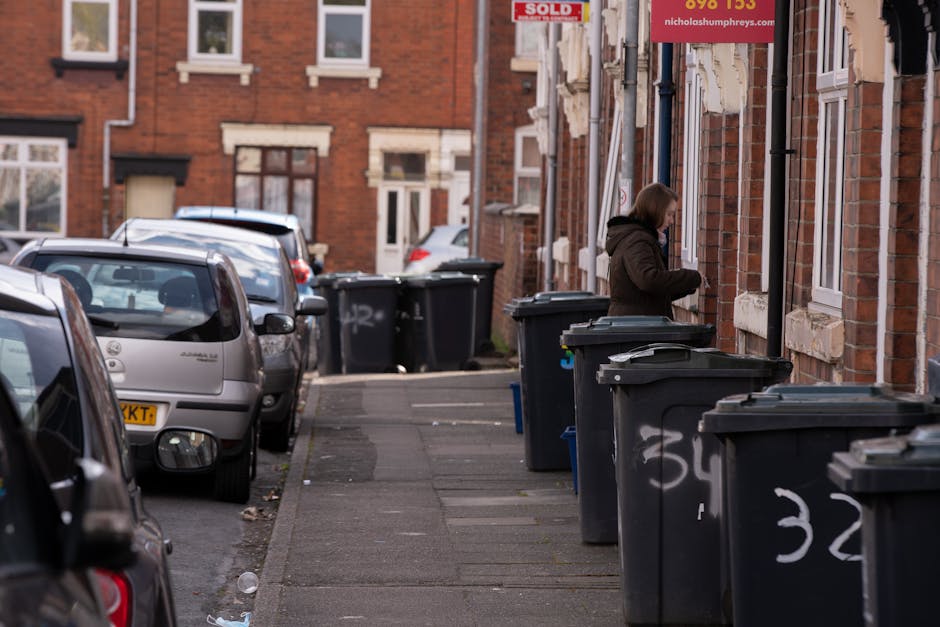
Good rubbish handling is not just about keeping the kerb tidy. On a busy residential road, waste left in the wrong place can create odours, attract pests, obstruct pavements, and make shared spaces feel neglected. In flats and terraced homes especially, one household's overflow can quickly become everyone's problem.
Hornsey Park Road residents often deal with a mix of waste types: everyday household rubbish, packaging from online orders, food waste, old furniture, garden cuttings, and the occasional post-renovation mess. Each type needs a different approach. If you treat them all the same, you end up with full bins, missed collections, and avoidable clutter.
There is also a practical time-saving angle. Well-managed waste routines reduce the number of emergency clear-outs you need. They also make it easier to plan bigger jobs, such as a house clearance after a move or a home clearance before redecorating.
Expert summary: The best rubbish collection routine is simple, repeatable, and matched to the way you actually live. If your waste system only works on a good day, it is not really working.
Put simply, these tips matter because they help you stay ahead of waste rather than reacting to it.
How Rubbish Collection Tips for Hornsey Park Road Residents Works
The process is straightforward, but it works best when you think in stages. First, identify what kind of waste you have. Then decide whether it belongs in a household bin, a recycling stream, a specialist collection, or a one-off removal service. Finally, store it properly until collection day.
For example, a few bags of general rubbish may simply need better sorting and bin discipline. Broken furniture, old mattresses, or renovation debris are a different matter. Those items are usually better handled through a dedicated service such as furniture disposal or builders waste clearance, depending on the material.
Here is the basic logic most households can follow:
- Separate waste by type. Keep recyclables, food waste, and general rubbish apart where possible.
- Contain it properly. Use strong bags, lidded bins, or secure boxes for sharp or messy items.
- Keep pathways clear. Do not block entrances, stairwells, or shared hallways.
- Match the method to the waste. Use local collection for everyday refuse and professional help for bulky or unusual loads.
- Plan ahead. Don't wait until a bin is overflowing to think about the next step.
That simple workflow prevents a lot of household friction. It also makes it easier to keep on top of recycling and reduce the amount you send to landfill. If sustainability matters to you, the company's recycling and sustainability approach is worth reviewing alongside your own habits.
Key Benefits and Practical Advantages
The benefits of better rubbish collection habits are not abstract. You notice them in day-to-day life.
- Less clutter: Bags, boxes, and broken items stop building up in corners and communal areas.
- Cleaner living spaces: Waste is easier to manage when it is sorted before it piles up.
- Fewer missed collections: Correctly prepared rubbish is less likely to be left behind.
- Better recycling outcomes: Cleaner separation improves the chance that recyclable material is accepted.
- Reduced stress: You spend less time wondering what to do with awkward items.
- Improved safety: No loose glass, unstable piles, or tripping hazards near entrances.
There is a real convenience benefit too. If you are clearing out a flat, reorganising a loft, or emptying a garage, a planned approach is much smoother than one giant weekend panic. Services such as flat clearance, loft clearance, and garage clearance can save a lot of heavy lifting and repeated trips.
For businesses or home workers, the benefit is even clearer. Less waste around the property means a more presentable environment and fewer interruptions. If that applies to you, look into business waste removal or office clearance if your workspace has grown out of control.
Who This Is For and When It Makes Sense
This guidance is useful for almost anyone on Hornsey Park Road, but some residents will feel the benefit more sharply than others.
- Flat dwellers: Shared bins fill quickly, and storage space is limited.
- Families: Packaging, food waste, toys, and damaged household items can accumulate fast.
- Landlords and letting agents: Turnover between tenants often creates mixed waste that needs sorting.
- Home movers: Moving day always reveals more rubbish than expected.
- DIY renovators: Decorating and repair work can generate bulky or heavy waste.
- Small business owners: Paper waste, packaging, and old equipment need organised removal.
It also makes sense whenever your rubbish exceeds the normal rhythm of collection. That might be after a clear-out, a garden project, a tenancy change, or a room refit. In those cases, using a specialist service is often more sensible than trying to squeeze everything into the nearest bin.
There is no prize for overloading containers and hoping for the best. The smarter move is to match the disposal method to the job.
Step-by-Step Guidance
If you want a simple process that works in real life, use this.
1. Audit what you actually have
Before you move a single bag, look at the waste in front of you. Separate general household rubbish, recycling, food waste, glass, sharp items, and bulky goods. This step often reveals that half the problem is just poor sorting.
2. Decide what can be reused or donated
Not everything belongs in the bin. Still-usable furniture, appliances, and household items may be suitable for reuse or responsible disposal. If items are beyond repair, a service like furniture clearance can help you remove them efficiently.
3. Contain waste safely
Use strong bags, tie them securely, and keep wet or sharp waste wrapped properly. Cardboard should be flattened. Glass should be boxed or wrapped so it does not break inside shared spaces. Little things like this make a big difference on collection day.
4. Check collection timing and access
Make sure bins are out at the right time and in the right place. If you live in a shared building, confirm who is responsible for putting them out and bringing them back in. Missed handovers are a common reason waste sits around longer than it should.
5. Arrange extra help for large or awkward loads
When the rubbish is too bulky for standard collection, book a suitable alternative. For post-project waste, waste removal may be the simplest route. For renovation debris, use builders waste clearance. For outside waste, garden clearance is often the neatest solution.
6. Review what caused the overflow
After the collection, ask a very practical question: what created the problem in the first place? Too much packaging? Not enough recycling capacity? A room that has become a dumping ground? Fixing the cause saves time next month.
Expert Tips for Better Results
Small habits make rubbish collection dramatically easier. In our experience, the best systems are boring in the best possible way: they are easy to repeat, even when you are busy.
- Keep one "sorting station" at home. A few labelled containers reduce confusion and help other people in the household follow the system.
- Break down cardboard immediately. Flat cardboard takes up far less space than boxes left whole.
- Use a separate container for batteries, cables, and small electricals. These items often get mixed into general waste by accident.
- Do not store rubbish in damp areas. Moisture leads to smells, leaks, and mouldy packaging.
- Plan ahead before events or deliveries. Big supermarket shops, flat-pack furniture, and seasonal clear-outs all create more waste than expected.
- Keep access routes clear for collectors. If access is awkward, the waste may be delayed or harder to move safely.
If you are managing a property with frequent turnover, it may also help to keep a standing relationship with a trusted provider and a clear process for booking support. That is especially useful if you occasionally need help with house clearance or a more general home clearance.
A final tip: do not assume all waste is safe to leave out for "later." In a shared street environment, later often becomes tomorrow, then next week, then a smell nobody wants to claim.
Common Mistakes to Avoid
Most waste problems are surprisingly predictable. The same mistakes keep happening because people are busy, not because they are careless.
- Overfilling bags and bins. Overpacked waste is harder to lift, easier to split, and more likely to be left behind.
- Mixing recyclables with food waste. Contamination can reduce the chance that recyclable material is accepted.
- Leaving bulky items in shared areas. Hallways, stairwells, and front gardens are not waiting rooms for old furniture.
- Ignoring sharp or hazardous items. Broken glass, needles, paint tins, and chemical containers need extra caution.
- Assuming all collections take the same type of waste. They do not. General rubbish, garden debris, office waste, and builders' waste usually need different handling.
- Waiting until the last day to sort it out. That is how a tidy plan turns into a costly emergency.
One of the most common issues on residential streets is "temporary" storage that becomes permanent by accident. A chair sits outside. Then a box joins it. Then a bag appears. Before long, the pile has become a landmark. Not the good kind.
If you are unsure whether an item belongs in standard rubbish or needs a specialist route, ask before you move it. That small pause prevents larger problems later.
Tools, Resources and Recommendations
You do not need a complicated setup to manage waste well. A few simple tools are enough.
- Sturdy bin liners: Choose bags that suit the weight and type of rubbish you generate.
- Storage boxes: Useful for sorting recyclables, cables, and small household items.
- Labels: Clear labels help families, housemates, and staff keep waste separated.
- Gloves: Handy for handling sharp packaging, dirty items, or old storage contents.
- Tape and a marker pen: Ideal for sealing boxes and marking hazardous or fragile contents.
For support when waste becomes more than a simple bin job, it helps to compare the options carefully. If you want a service overview, the main website homepage is a sensible starting point, while pricing and quotes can help you plan the budget before booking.
For trust and peace of mind, it is also worth reviewing pages such as insurance and safety and the health and safety policy. These are the kinds of details that matter when someone is handling heavy or awkward waste around your property.
Finally, if you want to know more about the company behind the service, the about us page gives useful background without making you chase around for basic information.
Law, Compliance, Standards, or Best Practice
Waste disposal in the UK is not something to guess at. Even for ordinary household rubbish, best practice matters because waste handling can affect neighbours, public spaces, and worker safety. If you are generating commercial waste, managing a rental property, or clearing large volumes of material, it becomes even more important to use a responsible route.
At a practical level, the safest approach is simple: keep waste contained, do not obstruct shared access, and use a reputable service for anything bulky, heavy, or potentially hazardous. If you are unsure about the right process for a specific item, seek clarification before putting it out.
For businesses, responsible disposal is part of wider operational standards, not an afterthought. Proper documentation, safe handling, and clear accountability are all part of a sensible waste process. The same is true when a removal team needs to work around stairs, narrow entrances, or mixed-use premises.
Best practice also includes environmental care. Recycling where appropriate, separating reusable items, and avoiding unnecessary landfill use are all sensible expectations. If sustainability is a priority for your household or business, it is worth aligning your waste routine with the company's recycling and sustainability principles.
When in doubt, treat waste as something that should be sorted early, not dumped late.
Options, Methods, or Comparison Table
Different rubbish situations call for different solutions. Here is a practical comparison to help Hornsey Park Road residents decide what makes sense.
| Method | Best for | Advantages | Limitations |
|---|---|---|---|
| Regular household collection | Everyday rubbish and standard recycling | Simple, familiar, usually low effort | Not suitable for bulky or unusual items |
| Self-haul to disposal point | Small quantities when you have transport and time | Can work well for one-off items | Requires lifting, sorting, and multiple trips |
| Specialist waste removal | Bulky, mixed, or time-sensitive loads | Convenient, efficient, less physical effort | Usually chosen for larger jobs and may need booking |
| Targeted clearance service | Furniture, lofts, garages, gardens, homes, or offices | Matched to the type of waste and location | Most useful when the job is specific and clearly defined |
If you are handling a cluttered room, a full property, or a business premises, a targeted service is often the most efficient route. For example, a storage-heavy property may need loft clearance, while a workplace overhaul may be better suited to office clearance.
There is no universal "best" method. The right answer depends on volume, access, item type, and how quickly you need the space back.
Case Study or Real-World Example
Consider a typical Hornsey Park Road scenario. A resident finishes a long-overdue flat clear-out after a move. The small kitchen bin is full of food packaging, there are two broken chairs, flattened boxes from deliveries, and a stack of old items from the spare room. At first glance, it looks like one giant rubbish problem.
The smarter approach is to split the load. Cardboard goes one way. General waste goes another. Reusable items are separated immediately. The broken chairs are removed through a suitable furniture clearance option, and the remaining mixed waste is dealt with through a broader waste removal service.
What changed? Not the amount of rubbish, but the way it was handled. The resident went from an overwhelming pile to a manageable process with clear categories and the right support for each item type.
That is the real lesson here: the most effective rubbish collection strategy is not about working harder. It is about sorting sooner and choosing the right disposal route before the pile gets emotional.
Practical Checklist
Use this checklist before your next collection day or clear-out:
- Sort rubbish into general waste, recycling, food waste, and bulky items.
- Break down cardboard and compress packaging where possible.
- Wrap sharp or fragile objects securely.
- Keep waste out of hallways, stairwells, and shared entrances.
- Confirm the correct collection day and time.
- Set aside any reusable items for donation or reuse.
- Book specialist help for furniture, loft contents, garden waste, or renovation debris.
- Check access routes if a collection team needs to enter the property.
- Review whether the waste load is normal household rubbish or something larger.
- Keep a simple system in place so the next collection is easier than the last one.
If you are dealing with a bigger-than-usual job, these steps will help you decide whether you need a standard bin emptying or a more complete service.
Quick takeaway: the earlier you separate waste, the easier everything becomes.
Conclusion
Rubbish management on Hornsey Park Road does not need to be complicated. Once you sort waste properly, store it safely, and choose the right collection method for each type of item, the whole process becomes far more manageable. That means fewer smells, fewer access issues, less clutter, and less stress.
The most effective residents are not the ones with the biggest bins. They are the ones with the clearest system. Start with the basics, keep bulky waste out of the way, and bring in specialist help when the job calls for it. If you do that, rubbish collection stops being a recurring headache and becomes just another well-run part of home life.
Get a free quote today and see how much you can save.
For a direct next step, you can also contact the team if you want tailored guidance for a flat, house, office, or mixed rubbish clearance in the Hornsey area.
Frequently Asked Questions
What is the easiest way to handle rubbish collection on Hornsey Park Road?
The easiest approach is to sort waste early, flatten packaging, keep rubbish in sealed bags or bins, and book specialist help for bulky or unusual items.
How do I know if I need waste removal instead of normal bin collection?
If the waste is too bulky, too heavy, too mixed, or too large for your regular bins, a dedicated waste removal service is usually the better option.
What should I do with old furniture I no longer want?
Reusable items can be donated or passed on where appropriate. If they are damaged or unsalvageable, furniture disposal or furniture clearance is often the simplest route.
Can I leave rubbish in a communal hallway until collection day?
Generally, no. Shared access areas should stay clear for safety and comfort. Leaving waste in communal spaces can create blockages, smells, and fire risks.
What if I have rubbish from a DIY project?
DIY waste often includes heavy or awkward materials, so it is usually better handled through builders waste clearance rather than normal household bins.
How can I reduce the amount of rubbish my household produces?
Buy less packaging-heavy goods where possible, reuse containers, separate recyclables properly, and keep a donation box for items you no longer need.
Is it worth booking a clearance service for a small flat?
Yes, especially if storage is tight or the waste includes furniture, old appliances, or mixed household items. A flat clearance can save time and remove a lot of physical effort.
What happens if I am not sure how to sort an item?
Do not guess if the item is sharp, hazardous, or unusually large. Keep it separate and ask for advice before disposing of it.
Can a garden tidy-up create more waste than expected?
Absolutely. Branches, soil, old pots, broken tools, and cuttings can add up quickly. A garden clearance service is useful when the load becomes too much for regular bins.
How do I choose a reliable clearance provider?
Look for clear pricing, sensible safety practices, and transparent service information. Reviewing insurance and safety plus pricing and quotes is a practical place to start.
Do businesses on Hornsey Park Road need a different rubbish strategy?
Usually, yes. Businesses often generate paper, packaging, old stock, and equipment that need a structured approach. Business waste removal is often more suitable than ad hoc disposal.
Where can I find more information about the company and its policies?
You can review the about us page for background, and the policy pages such as health and safety policy for additional reassurance.