Understanding Haringey Council Rubbish Rules in Crouch End
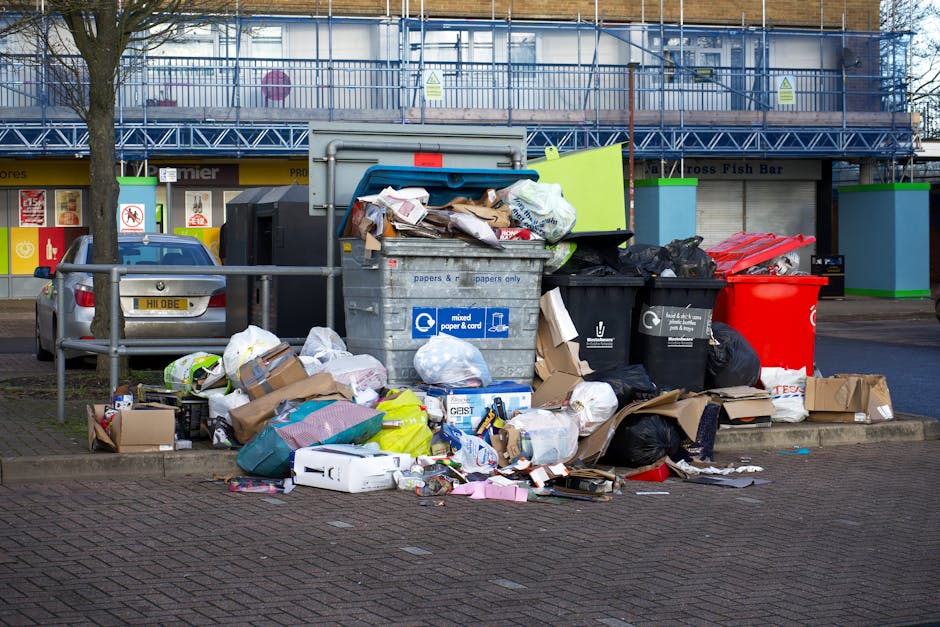
If you live or work in Crouch End, rubbish rules can feel oddly specific for something so ordinary. One week the bins are fine, the next week you are staring at a broken chair, a bag of garden cuttings, or a pile of cardboard and wondering what the council expects you to do with it. That is exactly why understanding Haringey Council rubbish rules in Crouch End matters. Get it right and life is easier. Get it wrong and you may face missed collections, overflowing waste, neighbour complaints, or a rather awkward knock-on effect from fly-tipping and enforcement.
This guide breaks the subject down in plain English. You will get a practical overview of how local rubbish handling usually works, what households and businesses should watch for, where people commonly slip up, and how to choose the right disposal route for bulky or awkward waste. If you are planning a clear-out, a move, or a tidy-up after renovations, this should save you a fair bit of guesswork.
Quick takeaway: In Crouch End, the safest approach is simple: sort your waste carefully, follow Haringey collection guidance, keep items out only when allowed, and use a legitimate clearance route for anything bulky, contaminated, or hard to recycle.
Why Understanding Haringey Council Rubbish Rules in Crouch End Matters
Crouch End has its own rhythm. Terraced streets, flats above shops, shared frontages, tight pavements, and the usual London challenge of not having loads of room to stage waste. That makes local rubbish rules more than a box-ticking exercise. They affect how clean the street stays, how safely collections happen, and whether waste can be picked up without creating a mess for everyone else.
To be fair, many people only start caring about the rules after they have already got a problem. Maybe the black bags were put out too early and got ripped open. Maybe the old sofa sat outside for days because nobody was sure when to book a bulky collection. Or maybe the bin crew skipped a container because it had the wrong contents. These are small issues on their own, but they can snowball quickly.
Local waste rules also matter because councils take a dim view of poor disposal habits. Not surprisingly, illegal dumping, contaminated bins, or unsafe placement on pavements can create wider problems for neighbours, shopfronts, and shared entrances. In busy parts of Crouch End, one badly handled load can attract birds, smell worse by the hour, and make a whole street look neglected. Nobody wants that.
There is also a money angle. Using the wrong disposal route can waste your time and sometimes lead to avoidable charges. Using the right one from the start is usually cheaper in effort, if not always in pounds and pence. And when the item is large, mixed, or a bit grimy from years in a loft or garage, the right route matters even more.
How Understanding Haringey Council Rubbish Rules in Crouch End Works
The basic logic is straightforward even if the details vary by property type. Haringey sets expectations for how residents should separate household waste, recycling, food waste, garden waste, and bulky items. In practice, the rules affect three things: what you throw away, how you present it, and when you put it out.
First, waste streams matter. Recyclables should be kept separate from general rubbish where the collection system allows it. Food waste is usually treated differently from dry waste. Bulky items, white goods, builders' rubble, and business waste often need separate arrangements. Mixing everything into one pile looks convenient for five minutes and then becomes a headache.
Second, presentation matters. Even if a material is technically acceptable, it still has to be presented in the right way. Bags should be secure. Boxes should be flattened if possible. Loose waste should not be left blowing around like confetti after a very bad party. In shared buildings, this is especially important because one neighbour's shortcut becomes everyone's problem.
Third, timing matters. Collections generally work to schedules, and setting waste out too early can cause issues. Set it out too late and you miss the pickup. Set it out in the wrong place and you may obstruct access for pedestrians, bins, or emergency routes. It sounds obvious, but as anyone who has watched a wheelie bin slowly drift halfway across a pavement during a windy night knows, the obvious is sometimes the thing people skip.
For larger clearances, you may need a different approach entirely. A standard council collection is not always the best fit for furniture, loft junk, garage clutter, or renovation debris. In those cases, a dedicated clearance service can be the more practical route. If you are dealing with a full property or mixed household items, house clearance support or home clearance help may be more suitable than trying to squeeze everything into normal collection rules.
Key Benefits and Practical Advantages
Once you understand the rules, the benefits are more tangible than most people expect. The main one is peace of mind. You are not standing by the window on collection day, second-guessing whether the wrong bag is going to be left behind. That little bit of certainty is worth a lot, especially during busy weeks.
Here are the practical upsides:
- Fewer missed collections: Waste is presented correctly and is more likely to be taken first time.
- Cleaner communal spaces: Shared entrances, front gardens, and pavements stay tidier.
- Lower risk of complaints: Neighbours tend to notice waste issues fast, especially in close streets.
- Better recycling outcomes: Sorting correctly keeps reusable material out of general waste.
- Safer handling: Sharp, heavy, or contaminated items are dealt with properly.
- Less stress during clear-outs: Moving house or clearing a room becomes more manageable.
There is a quieter benefit too: you make better decisions about what to keep, donate, recycle, repair, or dispose of. That sounds lofty, but in real life it often means the difference between a calm Sunday morning and a pile of junk sitting in the hall until Wednesday. Small win, yes, but a genuine one.
If sustainability matters to you, it is worth exploring the company's approach to recycling and sustainability. Even a basic awareness of how waste is sorted can help you plan clear-outs with less landfill in mind.
Who This Is For and When It Makes Sense
This topic is useful for more people than you might think. It is not just for homeowners staring at a full shed. In Crouch End, rubbish rules matter for renters, landlords, small businesses, office managers, flat sharers, tradespeople, and anyone who is trying to get rid of more than a standard bag or two.
You will especially need a clearer grasp of the rules if you are:
- moving out of a flat or house
- clearing a loft, garage, or spare room
- disposing of old furniture
- handling post-refurbishment waste
- running a local business with regular waste streams
- managing communal bins in a shared property
- preparing a rental property between tenancies
The same goes for people doing a one-off clean-up after a life event. Bereavement clearances, downsizing, and long-delayed decluttering all bring extra emotional weight. In those moments, a straightforward waste plan is not a luxury. It is a relief.
For businesses, the stakes can be a bit sharper. Waste from shops, offices, and workspaces tends to build up fast, and the wrong handling can disrupt customers, staff access, and health and safety. If that sounds familiar, business waste removal is often the more suitable route than trying to manage commercial waste through a domestic setup.
If your waste includes desks, filing cabinets, shelving, or general office clutter, a dedicated office clearance service can be a smarter fit than a piecemeal arrangement. Same idea, better outcome.
Step-by-Step Guidance
If you want a simple process, start here. You do not need to be an expert. You just need to be methodical.
- Identify the waste type. Separate general rubbish, recycling, food waste, garden waste, bulky items, electricals, and builder's debris. One mixed pile creates confusion fast.
- Check what needs special handling. Paint tins, fridges, mattresses, electrical items, and sharp materials may not belong in the usual bin stream. Treat anything awkward as suspect until confirmed otherwise.
- Sort by size and weight. Heavy waste needs a realistic lifting plan. That old wardrobe that looked manageable in the room may be a different beast on the stairs. Funny how that works.
- Decide whether council collection is enough. A normal household pickup may cover day-to-day rubbish, but larger clearances often need a separate booking or a private removal option.
- Prepare the waste safely. Bag loose items, flatten cardboard, stack safely, and keep walkways clear. Tape up sharp edges where needed.
- Set waste out at the right time and place. Follow collection timing carefully. Avoid blocking shared access or leaving items where they can fall over.
- Use a professional route for bulky or mixed loads. If you are dealing with furniture, garden debris, or renovation waste, a specialist clearance service can save time and reduce hassle.
A useful rule of thumb: if you would struggle to describe the pile in one neat sentence, it probably needs more than a standard bin solution. That is usually the moment people realise they need a bit more help. And that is fine.
Expert Tips for Better Results
In our experience, the best waste jobs are the boring ones. The ones that look almost too organised. Here is what helps.
Tip 1: Start with the awkward items first. Big furniture, broken shelving, and anything heavy should be assessed before the small bags. If you leave them until the end, they tend to dominate the whole task.
Tip 2: Do not mix recyclable materials with general rubbish. Even if the recycling system is not perfectly intuitive, it is still worth separating cardboard, metals, and clean containers where possible.
Tip 3: Think about access before collection day. Narrow stairwells, parked cars, and communal hallways can turn a simple job into a slow one. A two-minute check beforehand can save twenty minutes of swearing later.
Tip 4: Keep waste dry when you can. Rain-soaked cardboard, damp textiles, and soggy paper are harder to handle and often less recyclable. London weather, obviously, has opinions of its own.
Tip 5: Match the service to the job. A small bin clear-out, a full flat clearance, and post-build rubble all need different thinking. If you are sorting old lounge furniture, a furniture clearance or furniture disposal option may be more efficient than improvising.
Tip 6: Use the loft, garage, and shed as separate projects. Those spaces often collect mixed waste over years. Treating them separately makes sorting easier and prevents one giant overflow pile. If the loft is the problem, a loft clearance can remove a lot of pressure in one go.
Common Mistakes to Avoid
Most waste issues are not dramatic. They are ordinary mistakes made under time pressure. The good news? They are avoidable.
- Putting waste out too early: This can clutter the street and attract attention you do not want.
- Using the wrong bin stream: General rubbish, recycling, and food waste are not interchangeable.
- Leaving items loose: Loose waste is more likely to blow away, fall over, or get picked apart.
- Assuming bulky waste is "just another bin job": It rarely is.
- Ignoring access rules in flats and shared buildings: Communal areas need to stay clear.
- Forgetting about non-household waste: Builders' waste and business waste usually need separate arrangements.
- Leaving broken glass or sharp edges exposed: That is a straightforward safety risk, not a minor issue.
One of the biggest mistakes is simply waiting too long. Waste has a habit of becoming more annoying the longer it sits. A few bags in the corner become a corridor issue, then a smell issue, then a "why is that still there?" issue. Better to act while it is still manageable.
Tools, Resources and Recommendations
You do not need fancy kit, but a few basic tools make waste handling much easier.
- Heavy-duty bin bags: better for sharp or dense materials.
- Gloves: basic protection for dusty lofts, garages, and garden jobs.
- Box cutter or scissors: useful for flattening packaging safely.
- Tape and labels: helps separate item groups and secure loose materials.
- Trolley or sack barrow: useful for moving heavier items with less strain.
- Dust sheets or old blankets: handy when moving furniture through shared spaces.
For larger jobs, service choice matters more than tools. A normal clear-out of clothes and cardboard is one thing; a mixed property with furniture, white goods, and old paperwork is another. If you are planning a full home tidy-up, home clearance can be a more realistic solution. If it is a bigger property move or inheritance-related job, flat clearance may fit better for smaller urban layouts and shared-access buildings.
For jobs that are more physically demanding, it is sensible to look at a provider's health and safety policy and insurance and safety standards. That is not just paperwork. It tells you whether they treat handling, lifting, and risk properly.
Law, Compliance, Standards, or Best Practice
This is the section people often skip, and then wish they had not. Waste is not just about convenience. In the UK, waste has to be handled responsibly, and that includes following local council instructions, using lawful disposal routes, and avoiding fly-tipping or unsafe placement.
For everyday residents, the practical rule is simple: use your council collections correctly, keep waste contained, and do not leave items where they create obstruction or nuisance. For businesses, the responsibility is usually broader. Commercial waste needs an appropriate arrangement, and paperwork or traceability may be relevant depending on the material and the collection method. If you run a shop, office, or small workspace, this is worth taking seriously from the start.
There is also a general best-practice standard that applies across domestic and commercial clearances: separate reusable items where possible, avoid mixing hazardous-looking waste with ordinary rubbish, and make sure anyone collecting items is equipped to do the job safely. In other words, do not hope for the best and wave things away. That is not a system.
If you are unsure whether an item belongs in normal waste, it is usually wiser to pause and check than to force it into the wrong route. That little pause can prevent a much bigger problem later.
For those who want a provider with clear operating standards, it helps to review company information such as about us, terms and conditions, and payment and security. It is a sensible trust check, and honestly, a good habit whenever you invite someone to handle waste on your behalf.
Options, Methods, or Comparison Table
There is no single "best" option for all rubbish. The right choice depends on volume, waste type, access, and timing. Here is a practical comparison.
| Method | Best for | Strengths | Limitations |
|---|---|---|---|
| Council collection | Routine household waste and recycling | Simple for standard day-to-day disposal | Not ideal for bulky, mixed, or unusual items |
| Bulk item booking | Single large household items | Useful for one-off furniture or similar pieces | May not suit larger clear-outs or mixed loads |
| DIY trips to disposal point | Small to medium amounts with a vehicle | Good control over timing | Time-consuming, physical effort, parking/loading hassle |
| Professional clearance | Flat, house, garage, loft, garden, or office clear-outs | Fast, practical, less lifting stress | Usually best when you have enough volume to justify it |
If you are dealing with a shed full of broken tools, old plant pots, and weathered timber, a garage clearance or garden clearance route can make far more sense than trying to scatter the waste across several weekends. And let's face it, most of us would rather have one clean finish than three half-done ones.
Case Study or Real-World Example
A typical Crouch End scenario goes like this. A couple decides to clear a first-floor flat after years of accumulated bits and pieces: a broken chest of drawers, two armchairs, flattened cardboard, a bag of old paperwork, and a few awkward items from the spare room. At first glance, it sounds manageable. Then they realise the lift is tiny, the stairwell is narrow, and the building has shared access that needs to stay clear.
Rather than putting everything out in the wrong place and hoping for the best, they sort the waste into groups. Recyclables are separated. Personal paperwork is shredded or secured. The furniture is assessed for disposal. Heavy items are moved in a planned order. In the end, the job is done cleanly, without blocking the hallway or turning the pavement into a storage zone.
The lesson is simple. A proper plan beats a rushed pile-up every time. Even when the job feels annoying at the start, a sensible waste process saves time, reduces stress, and avoids arguments with neighbours or building managers. Sometimes that's the real win.
For this kind of job, a service designed for garage clearance, loft clearance, or wider waste removal can be more practical than trying to do it piecemeal.
Practical Checklist
Use this quick checklist before any collection or clearance day.
- Have I separated recycling, general waste, food waste, and bulky items?
- Do any items need special handling because they are sharp, heavy, or contaminated?
- Have I checked access routes, stairwells, and parking space?
- Are bags securely tied and boxes flattened?
- Is anything likely to cause a smell, leak, or trip hazard?
- Do I know when and where items should be placed out?
- Is this a standard household job or does it need professional clearance?
- Have I kept communal areas clear?
- Am I reusing or donating anything that still has life left in it?
- Have I read the provider's pricing and service details if I am using a clearance company?
If you can tick most of those off, you are in good shape. If not, pause and reset. A five-minute rethink now is much easier than fixing a mess later.
Conclusion
Understanding Haringey Council rubbish rules in Crouch End is really about making waste predictable. Once you know what belongs where, when to put it out, and when a bigger clearance method makes more sense, the whole process becomes far less stressful. You protect your home, keep your street tidier, and avoid the small but annoying problems that come from guessing.
Whether you are clearing a flat, dealing with office clutter, emptying a garage, or sorting post-renovation waste, the same principle applies: plan the job properly, use the right route, and do not leave awkward items to chance. That is usually enough to keep things moving smoothly, without turning the week into a saga.
If you are not sure where your waste fits, take a calm, practical approach and choose the option that keeps everything safe, legal, and simple. Truth be told, that is usually the smartest route anyway.
Get a free quote today and see how much you can save.
For more about the team behind the service, you can also review the about us page or get in touch through the website when you are ready. A tidy finish has a way of making the whole place feel lighter.
Frequently Asked Questions
What are the main rubbish rules people in Crouch End usually get wrong?
The most common mistakes are mixing recycling with general waste, putting items out too early, and leaving bulky waste in shared areas without planning. People also underestimate how quickly loose rubbish can become a nuisance in tight London streets.
Can I leave a sofa outside for council collection?
Sometimes bulky items can be collected through a council route, but you should follow the relevant local instructions for booking, timing, and presentation. If you have more than one large item, a dedicated furniture disposal option is often easier.
What should I do with garden waste in Crouch End?
Keep garden waste separate from general rubbish where possible. Branches, grass cuttings, and soil often need different handling from household waste. If the volume is high, a garden clearance service can save a lot of time.
How do I know whether waste is too much for normal bins?
If you have a full room, a broken appliance, multiple bags of mixed materials, or anything awkward to lift, it is probably beyond normal bin use. In that case, look at a home clearance or waste removal option rather than trying to force it through standard collections.
Are businesses in Crouch End subject to different rubbish expectations?
Yes. Business waste should be managed separately from domestic waste, and it usually needs a proper commercial arrangement. Shops, offices, and studios should not rely on household bins for ongoing rubbish.
What happens if I put rubbish out on the wrong day?
It may be missed, moved, or left behind. In some cases it can also create a clutter or access problem on the pavement. It is better to check the schedule carefully than to guess.
Is it worth using a professional service for a flat clearance?
Often yes, especially in Crouch End where stairs, limited space, and shared entrances can make moving items awkward. A flat clearance service can reduce lifting, speed up the process, and keep the building tidy.
Can I dispose of old office furniture with household rubbish?
Usually not if it is a business item or part of a commercial clear-out. Office desks, chairs, and cabinets are better handled through office clearance or business waste removal, depending on the situation.
How do I avoid fly-tipping problems when clearing a property?
Use a legitimate waste route, keep records of who is collecting the waste, and make sure items are transferred responsibly. If you hire help, choose a provider with clear safety and compliance standards.
What is the easiest way to clear a garage full of mixed junk?
The easiest way is to sort the items into categories first, then use a dedicated garage clearance service if the load is substantial. Garages often contain a mix of bulky, dusty, and forgotten items, so a planned approach works best.
Do I need to separate furniture from other household waste?
Yes, it is usually sensible to separate bulky furniture from general rubbish. It makes handling safer and helps you decide whether furniture clearance or furniture disposal is the right route.
Where can I find service details, payment information, and terms before booking?
You can review the company's pricing and quotes, payment and security, and terms and conditions pages before making a decision. That extra check is worth doing. Really, it is.